What Is a Garden Window?
A garden window is a small projecting window assembly that extends outward from the exterior wall, creating a three-dimensional glass enclosure with a fixed glass or solid bottom shelf, glass side panels, a sloped or flat glass roof panel, and typically two small operable vent windows on the sides. The result is a self-contained, light-filled alcove that functions as a miniature greenhouse built directly into your wall — capturing light from three directions simultaneously and creating a warm, sheltered microenvironment that is ideal for plants, herbs, and anything that benefits from abundant natural light year-round.
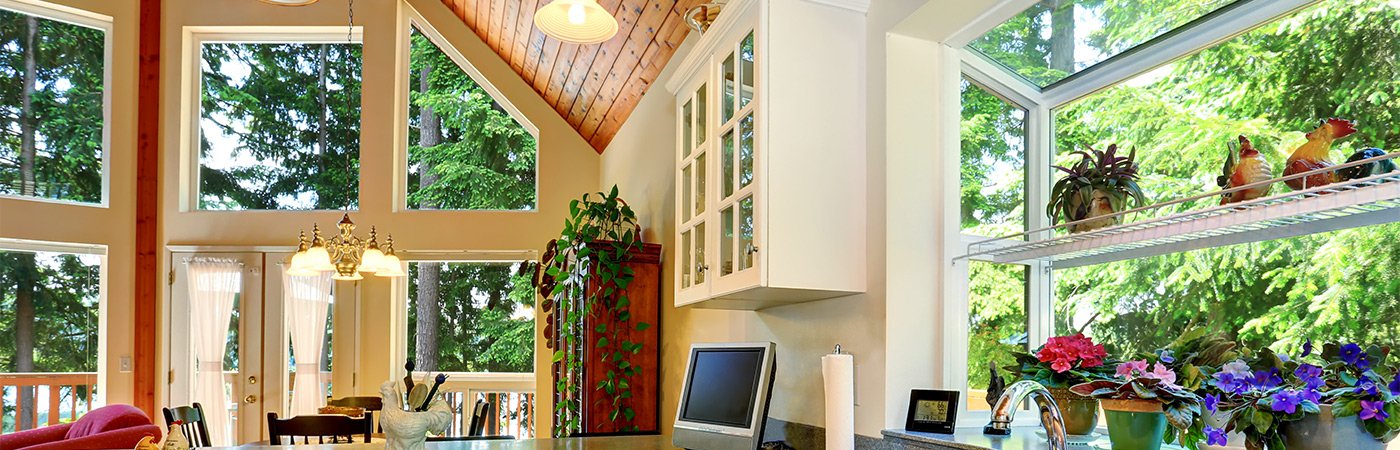
Garden windows are most commonly installed in kitchens — typically replacing the window above a sink — though they work equally well in dining rooms, breakfast nooks, bathrooms, and any room where a south- or east-facing wall offers good sun exposure. They are a compact, affordable way to add architectural character, additional light, and genuine functional value to an interior space without the structural complexity of a bay or bow window.
How a Garden Window Is Constructed
A garden window typically consists of five glazed surfaces working together: a fixed front panel facing outward, two fixed or operable glass side panels angled back toward the wall, a sloped glass or polycarbonate roof panel pitched slightly forward to shed water and maximize incoming sunlight, and a solid or glass bottom panel that forms the shelf surface. The entire assembly projects outward from the rough opening by typically 12 to 18 inches, creating a deep interior sill that functions as a generous plant or display shelf.
The side vent windows — small casement or awning panels built into the side glass — are the operable element of the assembly. They open to provide ventilation, preventing condensation buildup inside the enclosure and allowing heat to escape during warmer months. Quality side vents include insect screens and are operable from the interior without any tools.
The roof panel is the most structurally critical element. It must be properly sloped — a minimum pitch is required to shed rainwater reliably — and sealed at all joints with weather-resistant gaskets and sealants designed for long-term outdoor exposure. The roof-to-wall junction is the highest-risk point for water infiltration in any garden window installation, and it demands careful flashing detail work during installation.
Correcting a Common Misconception: Climate Suitability
The original content on this page stated that garden windows “generally work in moderate climates” and suggested they may not perform well in cold or rainy locations. This deserves a direct correction.
A properly specified and correctly installed garden window performs well in virtually any climate. The concern about cold climates is addressed by glazing specification: double-pane Low-E insulating glass with argon gas fill provides the same thermal performance in a garden window as in any other MILLENNIUM® window, and the small overall glass area of a garden window means its total heat loss contribution to the building envelope is modest. In a cold climate, a south-facing garden window actually delivers meaningful passive solar benefit — the glass roof and front panel capture low-angle winter sun and warm the enclosed space, which can benefit cold-sensitive plants that would struggle on a standard interior windowsill.
The concern about rainy climates is addressed by installation quality, not by product design. A garden window that leaks is an improperly installed garden window. Correct flashing at the roof-to-wall junction, proper caulking of all exterior joints with appropriate sealants, and a correctly pitched roof panel are installation requirements, not optional extras. MILLENNIUM® installations include all required flashing and weatherproofing details.
The one climate where a garden window is genuinely less effective is a very hot, west-facing location that receives intense afternoon summer sun. The glass roof panel can allow significant solar heat gain into the enclosed space in summer, which may overheat heat-sensitive plants. This is managed through appropriate glazing specification — solar control Low-E glass on the roof panel — and the selection of plant varieties suited to high-light conditions.
The Shelf: Uses Beyond Plants
The bottom shelf of a garden window runs the full width of the assembly at sill height and is typically 12 to 16 inches deep — significantly deeper than a standard window sill. This is the defining functional feature of the garden window, and while plants are the most popular use, the shelf serves equally well for a wide range of other purposes:
Herb garden — The most common and practical kitchen use. A south or east-facing garden window provides enough natural light to grow culinary herbs — basil, parsley, chives, thyme, rosemary — year-round, keeping fresh herbs within arm’s reach of the cooking area without occupying counter space.
Seedling starter — The enclosed, warm microenvironment and abundant light of a garden window make it an effective location for starting seedlings in late winter before outdoor planting season, extending the growing season without needing a separate growing lamp or greenhouse space.
Decorative display — Succulents, cacti, small topiaries, seasonal arrangements, and decorative objects all benefit from the three-directional light and visual prominence of the garden window. The glass enclosure frames the display from the exterior as well, creating a decorative feature that contributes to curb appeal.
Kitchen convenience shelf — Spice collections, cooking oils, small ceramic containers, and frequently used kitchen items sit comfortably on the wide shelf, freed from counter space and backlit by natural light in a visually appealing way.
Bird-watching station — A garden window positioned to face a garden or yard creates an immersive viewing bay that brings the exterior environment close, particularly when combined with a bird feeder placed just outside the front glass panel.
If the upper portion of the assembly includes an additional glass shelf — an available option on wider garden window units — the total display area increases significantly, allowing multiple tiers of plants or objects at different heights.
Key Advantages of Garden Windows
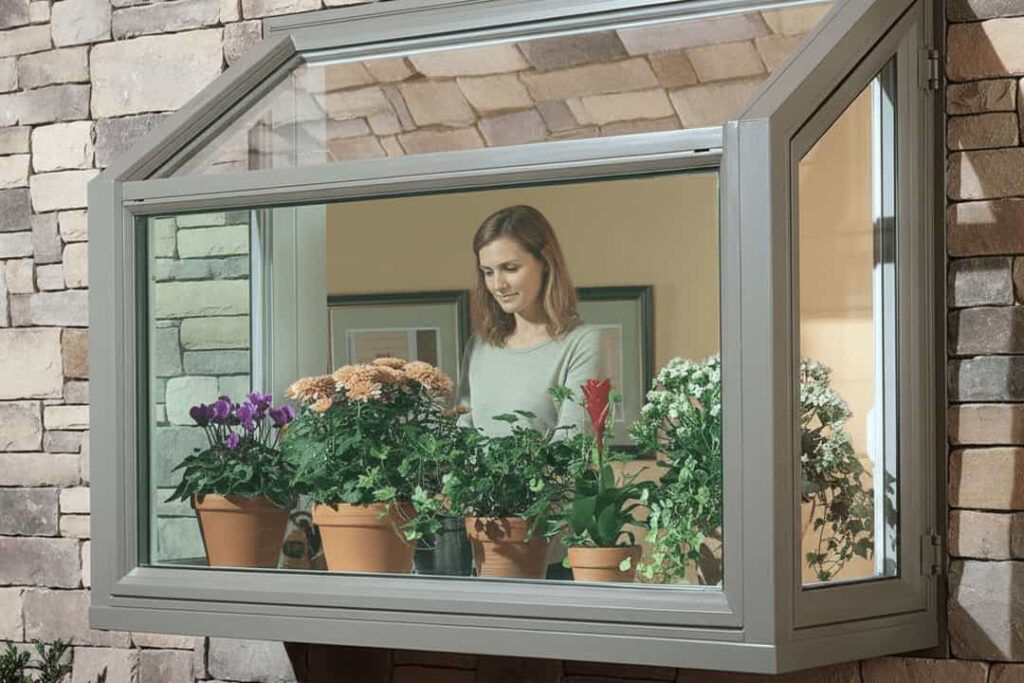
Light from Three Directions Simultaneously A standard flat window captures light from one direction — straight ahead. A garden window captures light from the front, both sides, and above through the roof panel. This multi-directional light is the primary reason garden windows work so well for plants, which require light from multiple angles for even, healthy growth. It also creates a notably bright, welcoming visual effect in the room, particularly in kitchens that would otherwise feel dim.
No Major Structural Work Required Unlike bay or bow windows, which project significantly from the wall and require structural header work and exterior support systems, a garden window typically installs into a single standard window rough opening. The assembly is self-supporting within the opening and requires no additional framing, knee walls, or exterior corbels in most standard residential wall configurations. This keeps the installation cost and complexity significantly lower than other projecting window types.
Year-Round Indoor Growing The enclosed, south-facing glass environment of a garden window creates a significantly warmer and brighter microclimate than any standard windowsill. In cold months, the glass roof traps warmth from winter sun and from the warm interior air, making the enclosed space noticeably warmer than the surrounding room. This temperature advantage — often 5 to 10 degrees warmer than the adjacent interior — allows cold-sensitive tropical plants and herbs to thrive through winter without any supplemental lighting or heating.
Curb Appeal and Architectural Character A garden window projecting from a kitchen or dining room exterior adds visual interest and warmth to an otherwise flat facade. The sight of healthy green plants visible through the glass from the street gives a home an inviting, lived-in quality that flat windows cannot replicate.
Ventilation The operable side vent windows provide targeted ventilation directly above the kitchen work area — useful for managing cooking odors, steam, and heat — without opening a large window that might admit strong drafts or rain.
Sizing and Configuration
Garden windows are available in a range of standard widths, typically from 24 inches to 72 inches, with custom widths available from MILLENNIUM® for openings that fall outside standard dimensions. The depth of projection — 12, 14, or 16 inches is typical — determines the depth of the interior shelf and the volume of the glass enclosure. Deeper units provide more shelf area and a more immersive interior alcove but require a larger exterior clearance.
The height of the assembly is typically 24 to 36 inches, which suits standard kitchen window rough openings and keeps the front panel at a comfortable viewing and working height when installed above a counter or sink.
For openings wider than approximately 48 inches, the assembly may include a fixed center panel flanked by operable vent panels on each side, or a fully fixed front panel with larger vent panels. MILLENNIUM® can configure the operable and fixed panel arrangement to suit the specific opening dimensions and ventilation requirements of each installation.
Installation Considerations
Flashing and waterproofing — The most critical aspect of any garden window installation. The roof-to-wall junction requires proper step flashing, caulking with a paintable exterior-grade sealant, and integration with the existing wall cladding system. This work must be performed correctly at the time of installation — retrofitting inadequate flashing after the fact is costly and invasive. MILLENNIUM® performs all required flashing and waterproofing as part of the standard installation.
Interior support — The bottom shelf of a garden window carries the weight of plants, soil, and containers. The shelf support system — either built into the window frame assembly or provided by the rough opening framing below — must be adequate for the anticipated load. Saturated soil containers can be heavier than they appear; plan the shelf loading conservatively.
Sink location — Many garden windows are installed directly above a kitchen sink, which positions the shelf out of comfortable reach from a standing position. Consider this when planning plant placement — heavily watered or frequently tended plants should be within easy arm’s reach. Lower-maintenance plants (succulents, cacti, air plants) work well in the less accessible back portion of the shelf.
Exterior clearance — The garden window projection — typically 12 to 18 inches — must clear any obstacles directly below the window on the exterior wall: foundation plantings, air conditioning equipment, hose bibs, or grade changes. MILLENNIUM® will verify clearance requirements during the pre-installation consultation.
MILLENNIUM® Specifications
Frame Series — Garden windows are available in the A-Series (thermally broken aluminum), M-Series (aluminum exterior / wood interior), and W-Series (solid wood / aluminum exterior cladding). Frame and sill surfaces in wood-interior units can be finished to match existing interior woodwork.
Double Pane Low-E Insulating Glass — All glazed surfaces, including the roof panel and side panels, are specified with double-pane Low-E insulating glass as standard. Argon gas fill, warm edge spacer bars, and butyl rubber perimeter seals are included. For the roof panel, solar control Low-E is recommended to limit heat gain in warm climates or west-facing exposures.
Tempered Glass — Required by code on the roof panel and any glass surfaces within 18 inches of the finished floor. All MILLENNIUM® garden window assemblies are glazed with tempered glass on surfaces required by applicable codes.
Operable Side Vents — Casement or awning configuration side vents with insect screens, operable from inside with a simple crank or push handle. Hardware is weather-resistant and specified for long-term reliable operation in an environment that experiences elevated humidity from plant watering.
Interior Shelf — Painted or wood-finished bottom shelf rated for normal plant and display loading. Optional additional upper glass shelf available on wider units.
Contact MILLENNIUM® Windows and Doors for a free consultation and appraisal. We will help you select the right width, depth, frame series, and glazing specification for your kitchen or living space and handle the complete installation including all flashing and weatherproofing details.
Phone: 918-582-5025