What Is a Picture Window?
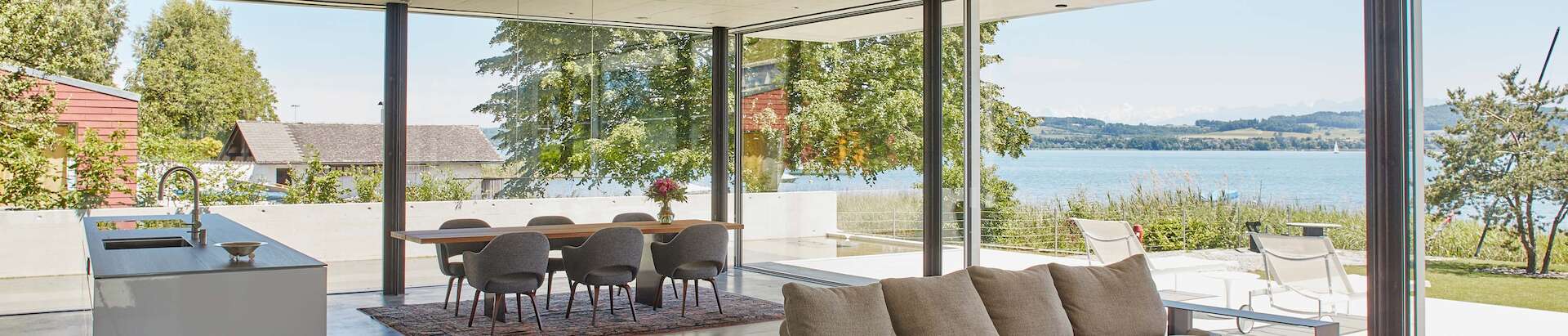
Picture windows differ from standard fixed windows primarily in their ambition and scale. A fixed window above a kitchen sink is functional and useful. A picture window spanning the full width of a living room wall, floor to ceiling, that brings the backyard, garden, or landscape into the room as a continuous visual presence — that is something qualitatively different. It changes the character of the room, the experience of the house, and the relationship between interior and exterior in ways that no other single architectural element can match at equivalent cost.
MILLENNIUM® designs and fabricates custom picture windows in any size, shape, and frame series — as standalone units, as the fixed central element in combinations with operable flanking casements or sliding panels, and as the primary glazed element in larger architectural glazing compositions including corner windows, floor-to-ceiling wall glazing, and indoor-outdoor living wall systems.
Why Picture Windows Work: The Case for Large Glazing
Light Quality and Quantity The relationship between window area and interior light quality is not linear — it is experiential. A room with a window covering 10% of its exterior wall is adequately lit. A room where the window covers 40% or more of the wall feels fundamentally different: brighter, more open, more connected to the time of day and the quality of light outside. Natural light from a large window changes through the day — warm and raking in the morning, neutral and diffuse at midday, golden and long in the afternoon — in ways that electric lighting cannot replicate regardless of its quality or cost.
Beyond comfort, natural light has measurable effects on the occupants of a space. Exposure to natural light during the day supports circadian rhythm regulation, reduces fatigue, improves concentration and mood, and reduces dependence on artificial lighting. These effects are proportional to the intensity and quality of the natural light exposure — a larger window delivers more of them.
Visual Space Expansion A large picture window does not merely show the exterior — it incorporates it into the perceived volume of the room. When a wall becomes glass, the eye reads the exterior space beyond as a visual extension of the interior, and the room feels larger than its physical dimensions. This is not an illusion in any trivial sense; it is a genuine perceptual effect rooted in how human vision processes depth and spatial boundary cues. Interior designers and architects have used this effect deliberately for over a century, and it remains one of the most cost-effective ways to make a room of given square footage feel generous and expansive.
Connection to Site and Season A well-positioned picture window frames something specific: a garden, a tree, a body of water, a mountain, a cityscape, a private courtyard. It makes that view a permanent presence in the room — something seen from the sofa, from the kitchen, from the bed — rather than something glimpsed occasionally through a smaller opening. Over time, this daily visual connection to a specific landscape or view becomes a meaningful part of how the house is experienced. The light through a garden changes with every season; the tree outside the bedroom window marks the year with its bare branches, buds, full canopy, and fall color. A picture window makes the occupants participants in this cycle rather than incidental observers of it.
Picture Window Configurations
Standalone Fixed Panel A single large fixed glazed unit, typically the dominant element of a wall. The most visually clean configuration — no vertical divisions, no center rails, nothing between the viewer and the view except the perimeter frame. For views of particular quality or significance, the standalone fixed panel is the correct choice: any mullion or division that interrupts the view diminishes it.
Fixed Center with Operable Flanking Units The most common and practical picture window composition for residential use. A large fixed central panel — providing the primary view and the majority of the glass area — flanked by narrower operable casement, tilt-and-turn, or awning windows on one or both sides. The fixed center provides the visual effect of a large uninterrupted glazed opening; the operable flanking units provide ventilation without compromising the composition. This combination is typically less expensive than a fully operable equivalent of the same total size, and performs better thermally because the largest portion of the assembly is sealed fixed glazing.
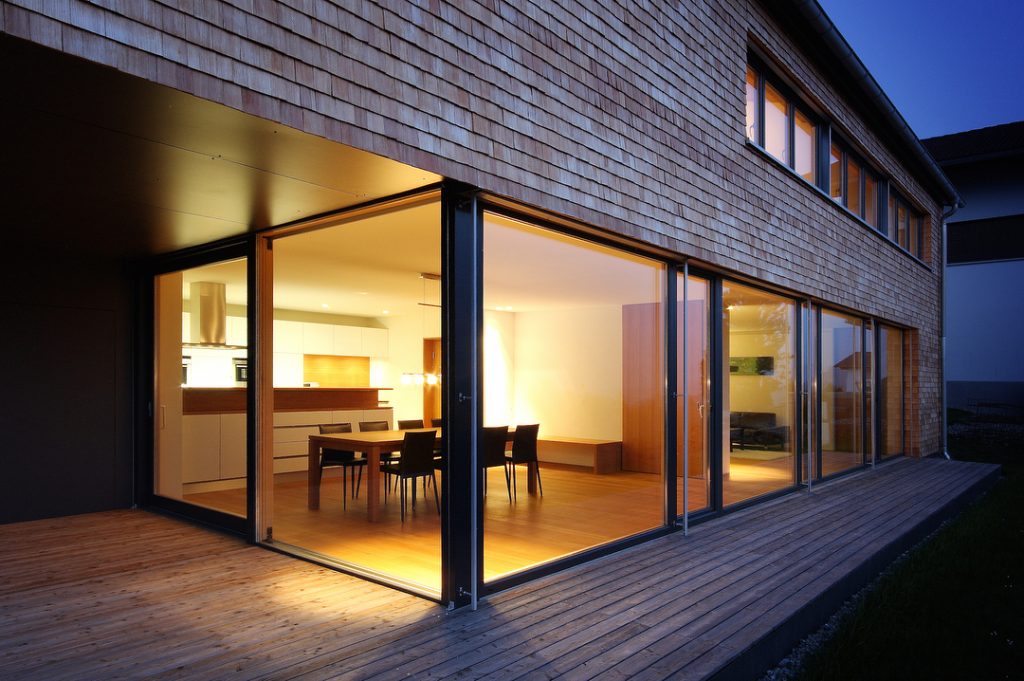
Corner Picture Window A picture window that turns a corner of the building — two glazed panels meeting at 90° at the corner of the room, with either a very thin structural corner post or, in the most dramatic version, a structural glass corner detail that eliminates the vertical post entirely. The corner picture window is one of the most architecturally powerful glazing configurations available: it removes the corner of the room visually and replaces it with a wrap-around view that makes the interior feel almost continuous with the exterior on two sides simultaneously. Corner windows require careful structural engineering — the corner post normally carries significant load from the wall and roof above — and the elimination or minimization of that post requires a specifically engineered transfer structure. MILLENNIUM® manages this structural coordination for every corner window project.
Floor-to-Ceiling Wall Glazing A glazed assembly that extends the full height of the room from finished floor to finished ceiling, replacing the entire above-grade wall surface with glass. This is the most immersive and architecturally ambitious picture window configuration. The boundary between inside and outside is reduced to the thickness of the glass itself, and the interior space reads as continuous with the exterior. Floor-to-ceiling glazing requires structural engineering of the surrounding wall and floor-to-ceiling framing, specific thermal detailing at the floor and ceiling connections, and careful glazing specification for both thermal performance and safety. MILLENNIUM® designs and installs complete floor-to-ceiling glazing assemblies including all required structural coordination and thermal detailing.
Fixed-Plus-Sliding Composition A large fixed picture window panel installed alongside a sliding glass door or lift-and-slide door unit in the same wall plane. This composition is particularly effective for living rooms that open to a rear terrace or garden: the fixed picture window provides the view and light; the adjacent sliding door provides the indoor-outdoor access; together they create a wall that is visually unified and functionally complete. The sliding door, when open, creates a continuous opening between the interior and exterior that reinforces the spatial connection suggested by the fixed glazing.
Addressing the Common Questions
Will large picture windows make rooms cold in winter?
Not if they are properly specified. The thermal performance of a window is determined by its U-factor — the rate at which it conducts heat from the warm interior to the cold exterior. A poorly specified window with a high U-factor will cause heat loss proportional to its area; a well-specified window with a low U-factor will cause very little heat loss even at large sizes.
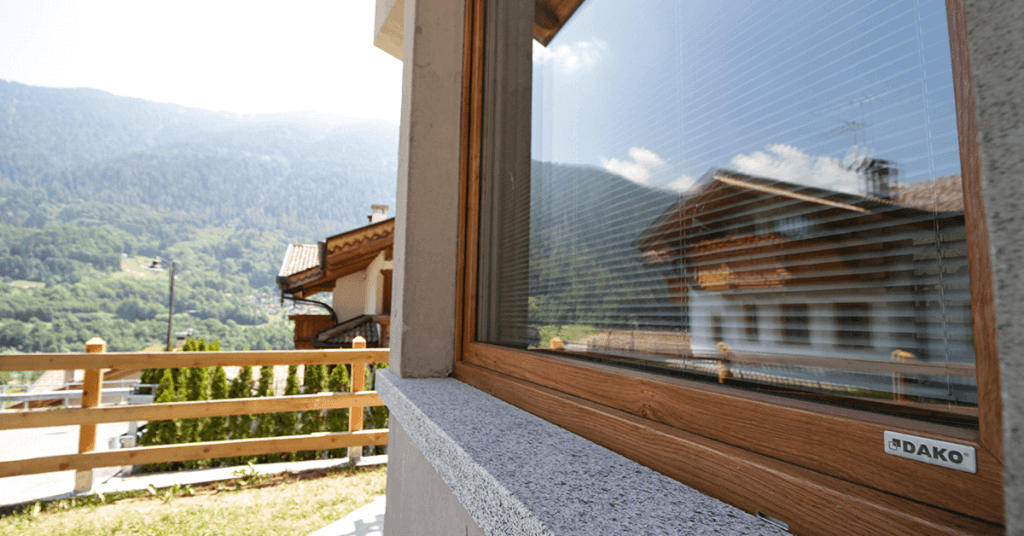
MILLENNIUM® picture windows are glazed with double-pane Low-E insulating glass with argon gas fill as standard, achieving U-factors in the range of 0.25–0.35 W/m²K — well below the maximum allowed under current U.S. energy codes and substantially better than typical residential window performance. At these U-factors, a large south-facing picture window is a net energy asset in Oklahoma’s climate during the heating season: the solar heat gain it admits on sunny winter days exceeds the heat it loses through conduction even overnight. The window heats the room rather than cooling it.
The concern about large windows and heat loss is valid when applied to poorly specified, single-pane, or low-quality insulating glass windows — the kind that were standard in American residential construction through much of the 20th century. It is not a valid concern when applied to a properly specified modern picture window with Low-E glazing, warm edge spacers, and a thermally broken aluminum frame.
Will large picture windows overheat rooms in summer?
This is a more nuanced question and deserves a more nuanced answer. South-facing glazing in summer receives solar radiation at a steep angle — most of it is reflected rather than transmitted — and is relatively manageable. West-facing glazing in summer receives intense late-afternoon sun at a low angle and can create significant cooling loads and discomfort if the glazing specification does not include adequate solar control.
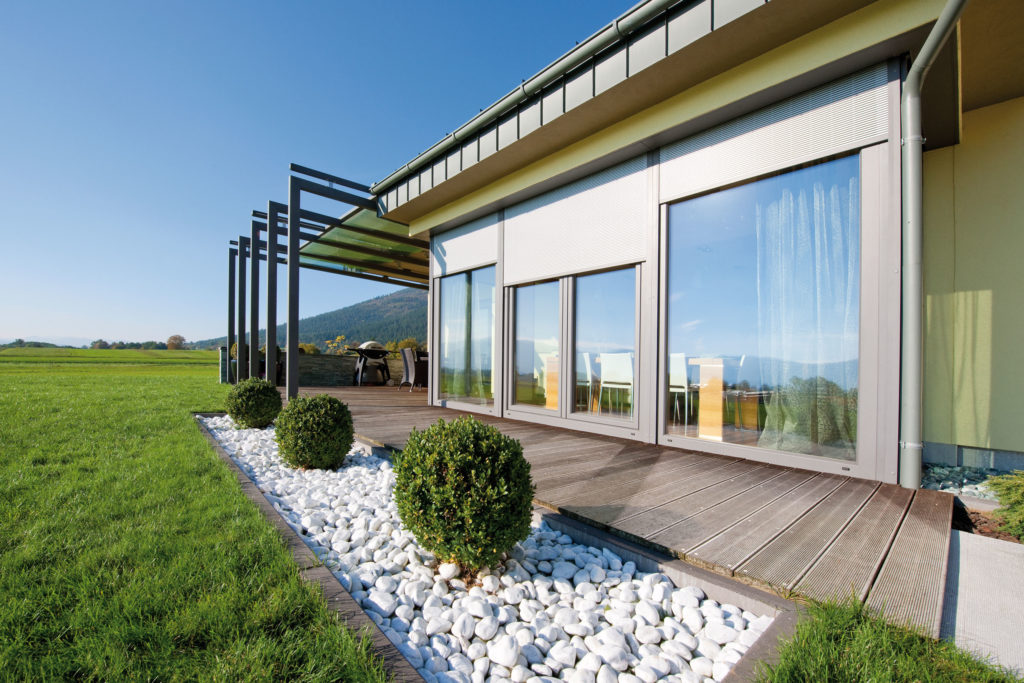
The solution is two-part. First, glazing specification: solar control Low-E coatings with a Solar Heat Gain Coefficient (SHGC) in the range of 0.25–0.35 substantially reduce the solar energy transmitted through the glass without significantly reducing visible light. Second, architectural shading: a properly proportioned roof overhang above a south-facing picture window shades the glass in summer — when the sun is high — while allowing the lower-angle winter sun to enter fully. For west-facing glazing where a roof overhang does not provide useful shading, exterior roller blinds or adjustable sun shades are the most effective supplemental solution.
Is a large picture window a security risk?
A large fixed picture window with standard annealed or tempered glass is more vulnerable to forced entry than a smaller window simply because the glass area is larger and easier to reach across. However, the correct response to this concern is glazing specification, not window size reduction. Laminated glass — two panes bonded with a polyvinyl butyral (PVB) or ionoplast interlayer — is the standard security glazing specification for large ground-level picture windows. When struck, laminated glass fractures but the interlayer holds the fragments together, preventing penetration and requiring sustained, loud, and time-consuming forced effort to create an opening. This deterrent effect is highly effective against opportunistic break-ins.
MILLENNIUM® specifies laminated glass as standard in all picture window applications at or near grade level. For higher security requirements, thicker interlayers, multiple laminated layers, and combinations with tempered outer panes provide increasing forced-entry resistance up to and including the ballistic-resistant performance levels described on the Bullet Resistant Glass page.
Is large glazing difficult to clean?
Fixed picture windows require less frequent cleaning than operable windows because they accumulate no weatherstrip debris or hardware residue and their sealed perimeter does not develop the black mold growth that often appears on operable weatherstrip. The glass surface itself — interior and exterior — requires periodic cleaning.
Interior surfaces are always easily accessible. Exterior surfaces on ground-floor installations are accessible from outside with standard equipment. Exterior surfaces on upper-floor installations require either a water-fed pole system from below, a window cleaning company, or — for installations adjacent to accessible balconies or terraces — access from the adjacent outdoor space. This is not a consideration unique to picture windows; any exterior glazing on an upper floor requires the same solution. MILLENNIUM® can advise on exterior glass access strategies during the design phase of upper-floor picture window installations.
How much do custom picture windows cost?
Picture windows vary widely in cost depending on size, frame series, glazing specification, and the complexity of the surrounding structural work required. Several factors consistently affect pricing:
Size is the primary driver — glass, frame material, and installation labor all scale with area. A picture window three times the size of a standard window costs meaningfully more, though not necessarily three times more, because some costs are fixed regardless of size.
Frame series affects cost — A-Series aluminum is typically the most cost-effective frame option for large picture windows due to aluminum’s structural efficiency at large spans. W-Series solid wood is typically the most expensive.
Glazing specification affects cost — double-pane Low-E is standard and included in base pricing; laminated safety glass, triple-pane, and ballistic-resistant glazing carry premiums that vary by specification level.
Structural work is often the largest variable cost in picture window projects, particularly in retrofit applications — enlarging an existing opening requires a new lintel or header, and in load-bearing walls this is a meaningful structural engineering and construction cost. MILLENNIUM® coordinates all required structural work as part of complete picture window installation projects.
The total cost of a custom picture window project is best discussed in a free consultation and appraisal, where our team can review your specific opening, glazing objectives, and structural conditions.
Solar Orientation: Maximizing the Picture Window’s Performance
The performance and comfort of a large picture window depend significantly on which direction it faces. Understanding this before finalizing placement is one of the most valuable things a buyer can do.
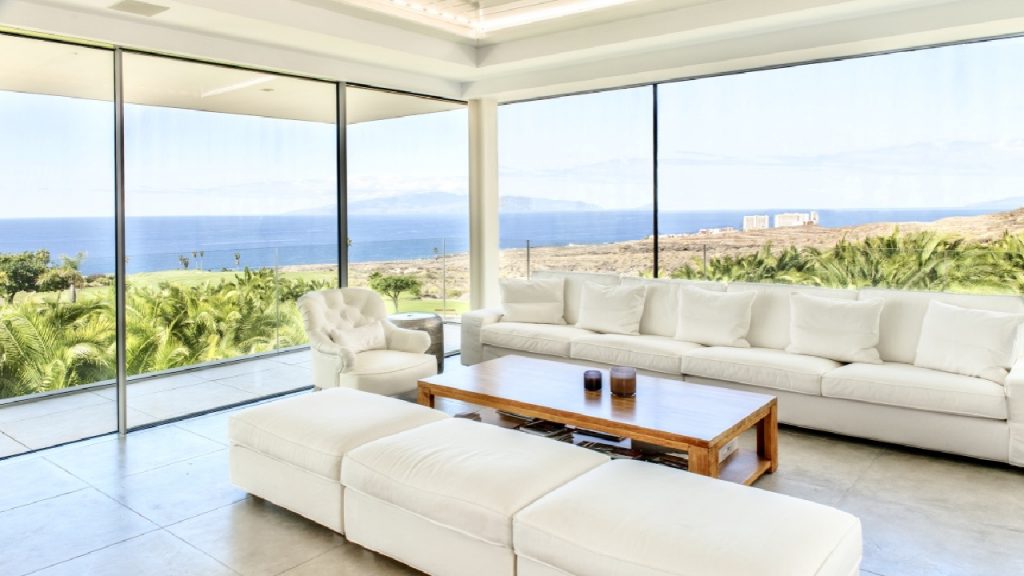
South-facing picture windows are the highest-performing orientation in Oklahoma’s mixed heating and cooling climate. In winter, low-angle sun penetrates deep into the room and contributes meaningful passive solar heat. In summer, the high sun angle means much of the radiation strikes the glass at a steep angle and is reflected. A south-facing picture window with appropriate solar control Low-E glazing and a correctly sized roof overhang is a net energy asset across both seasons.
North-facing picture windows receive no direct sun at any time of year — only diffuse, cool-toned skylight. They do not cause solar overheating but represent a continuous conductive heat loss pathway in winter. When a north-facing view or daylighting objective makes a north picture window desirable, specify the lowest available U-factor — triple-pane glazing is worth considering in this orientation — and minimize the glazed area to what is needed for the view.
East-facing picture windows receive morning sun at a low angle — generally pleasant and not problematic for most applications. In bedrooms, morning sun through a large east window can be intensely bright at sunrise; interior window treatments or a modest SHGC in the glazing specification manage this easily.
West-facing picture windows receive intense late-afternoon sun in summer at a very low angle that is difficult to shade with fixed architectural elements. Solar control Low-E glazing with a low SHGC — in the range of 0.20–0.30 — is strongly recommended. Exterior roller shades provide the most effective supplemental shading when the solar control glazing is not sufficient for the occupant’s comfort preference.
Retrofit vs. New Construction
New Construction In new construction, picture windows are straightforward to incorporate at the design stage. Openings are sized and framed to the window specification; structural lintels are designed and installed as part of the original framing; rough openings are prepared to the precise dimensions required. There is no existing construction to remove or modify. This is the most cost-effective scenario for picture window installation.
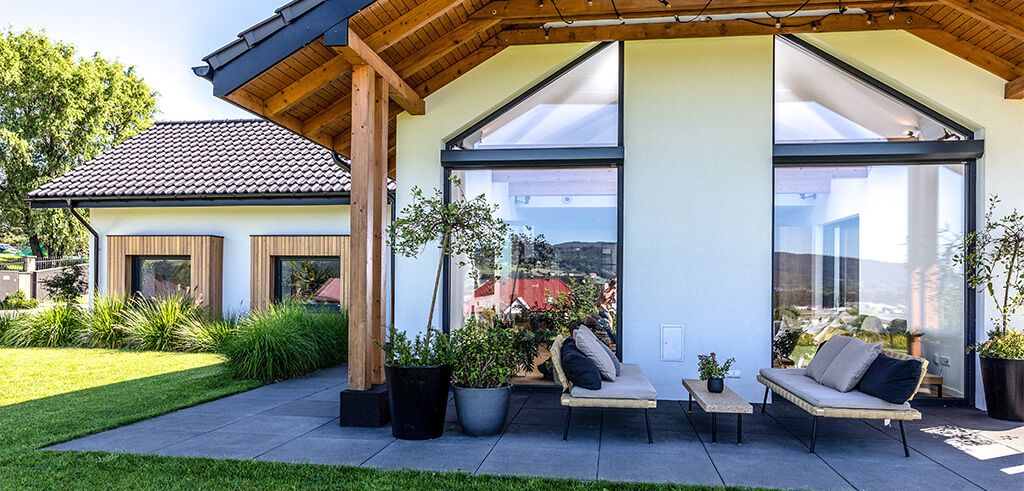
Renovation and Retrofit Enlarging an existing window opening to picture window size — or cutting a new opening in an existing wall — is more complex and more expensive. The existing wall framing, cladding, insulation, and interior finish must be carefully removed around the new opening; a new structural header or lintel must be installed to carry the wall load above the enlarged opening; and all affected wall surfaces must be rebuilt and finished. In load-bearing walls, this work requires structural engineering input.
None of this makes retrofit picture windows impractical — they are installed every day in existing homes — but the structural work is a real cost that should be understood and budgeted before the project begins. MILLENNIUM® provides complete retrofit picture window installation including all structural coordination, framing modification, and interior and exterior finish work.
MILLENNIUM® Picture Window Specifications
Frame Series A-Series thermally broken aluminum for maximum structural performance at large spans, slim profiles, and the full powder coat color palette. M-Series aluminum exterior with wood interior for warmth and design flexibility. W-Series solid wood with aluminum exterior cladding for traditional and craftsman architectural styles.
Glass Double-pane Low-E insulating glass with argon gas fill, warm edge spacer bars, and butyl rubber perimeter seals as standard. Solar control Low-E specification selected by orientation. Laminated safety glass standard on all ground-level and near-grade installations. Triple-pane available as upgrade. Ballistic-resistant glazing available for security applications.
Structural Glazing All MILLENNIUM® picture windows use structural glazing tape and perimeter silicone sealant to bond the insulating glass unit directly to the frame — a more durable and thermally stable bedding method than gasket systems, appropriate for the large glass areas and corresponding thermal movement of picture window applications.
Custom Geometry Rectangular, square, arched, circular, trapezoidal, and fully custom plan shapes. Corner window configurations with engineered corner post details. Floor-to-ceiling assemblies. Fixed-plus-operable composite wall systems. Every MILLENNIUM® picture window is custom fabricated to the precise dimensions of the opening and the specific architectural intent of the project.
Contact MILLENNIUM® Windows and Doors for a free consultation and appraisal. A picture window project begins with understanding your view, your room, your orientation, and your objectives — our team will work through all of these with you and design a custom glazing solution that performs as well as it looks.
Phone: 918-582-5025