Why Windows Are Your Home’s Biggest Energy Vulnerability
Walls, roofs, and floors can be insulated to very high levels relatively easily. Windows cannot — they must remain transparent. This fundamental constraint makes glazing the single largest source of heat loss in most buildings. The ENERGY STAR program estimates that installing ENERGY STAR-rated windows rather than standard windows can save homeowners about 6% to 13% on their utility bills while improving a home’s thermal comfort. Replacing single-pane windows in older homes yields the greatest gains, with typical annual savings ranging from $125 to $465 per year, varying widely based on the performance of your existing windows and the type of new windows selected.
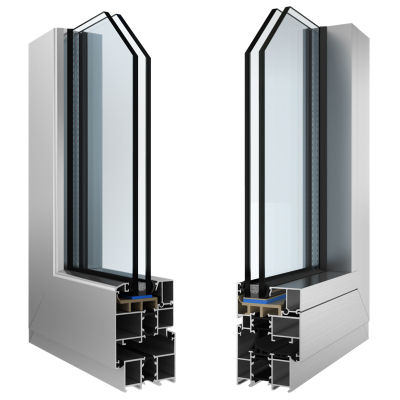
A-Series
All aluminum custom made thermal insulated windows & doors
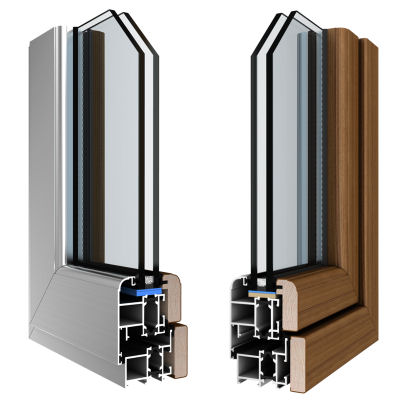
M-Series
Wood & aluminum cladding durable custom made windows & doors.
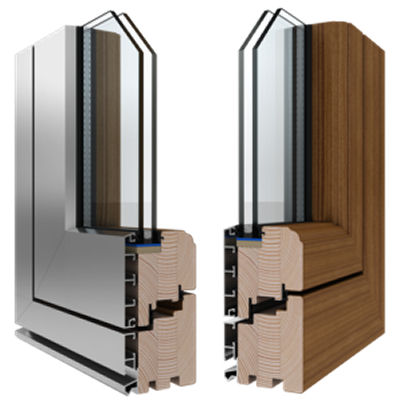
W-Series
Solid wood classic custom made thermal windows & doors
MILLENNIUM® Windows and Doors designs and builds custom energy efficient windows and doors across three distinct material series — all available in double-pane insulating glass configurations with Low-E coatings and argon gas fill. Every product is designed to deliver genuine, measurable energy performance alongside low maintenance and lasting aesthetic appeal.
The MILLENNIUM® Window Series
A-Series — All-Aluminum Thermally Broken Windows & Doors Aluminum is among the strongest and most durable frame materials available, and it requires essentially no maintenance. However, aluminum is also highly thermally conductive, which means an untreated aluminum frame acts as a thermal bridge — a direct pathway for heat to escape in winter and enter in summer. MILLENNIUM® A-Series frames address this with a thermally broken construction: an insulating polyamide barrier physically separates the interior and exterior aluminum profiles, interrupting the thermal bridge while preserving the full structural strength of aluminum. Ideal for modern architectural aesthetics and both residential and commercial applications.
M-Series — Aluminum Exterior with Wood Interior Cladding The M-Series pairs a weather-resistant aluminum exterior with a natural wood interior surface. The aluminum cladding protects the wood from moisture, UV exposure, and temperature extremes, dramatically extending the service life of the window, while the wood interior delivers the warmth and visual richness that is difficult to replicate with any other material. An excellent choice for homeowners who want natural wood aesthetics without the maintenance demands of a fully exposed wood window.
W-Series — Solid Wood with Aluminum Exterior Cladding The W-Series starts with a solid wood core. Wood is a naturally low-conductivity material and has the best life-cycle environmental performance of any common window frame material. An aluminum exterior cladding shields the wood from outdoor weathering, preserving its integrity over decades while keeping maintenance requirements low. The W-Series is the choice for those who prioritize sustainability, natural insulation, and classic craftsmanship.
What Makes a Window Energy Efficient?
Energy efficient window performance is the result of multiple interacting components working together. Understanding each one helps you make an informed purchasing decision.
1. Glazing: Single, Double, or Triple Pane
Single-pane glass has a U-factor of approximately 0.90–1.10 (W/m²K) — meaning it transfers heat rapidly and provides almost no insulation. Double-pane insulating glass units (IGUs) trap an insulating layer of gas between two glass panes, reducing heat transfer dramatically. Triple-pane glazing adds a third pane and second gas cavity for even greater insulation, though at higher cost and some reduction in visible light transmission. For most residential applications in the continental United States, double-pane glass with Low-E coating and argon fill represents the optimum balance of performance, cost, and light transmission.
2. Gas Fill: Air, Argon, and Krypton
The cavity between panes in an insulating glass unit can be filled with air, argon, or krypton. Air is the baseline. Argon gas is approximately six times denser than air, which slows convective heat transfer within the cavity and improves the window’s U-factor by 10–15% compared to an air-filled unit. Krypton is even denser and more effective, but carries a significant cost premium and is primarily used where a very narrow cavity width makes argon less effective — typically in triple-pane applications. Argon-filled double-pane glazing with Low-E coating is the recommended specification for most projects.
3. Low-E Glass Coatings
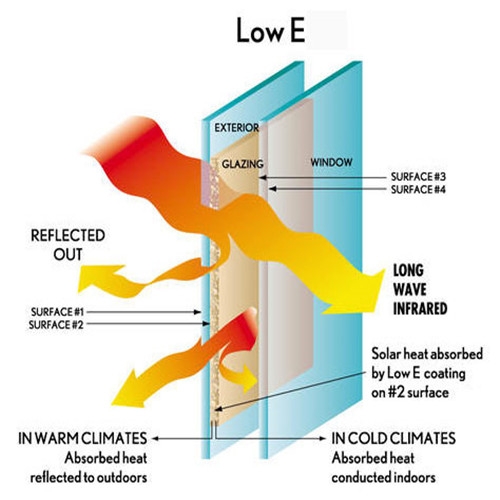
A Low-E (low-emissivity) coating is a microscopically thin, optically transparent metallic layer applied to the glass surface. Standard clear glass has an emissivity of approximately 0.84, meaning it radiates 84% of the heat it absorbs. A quality Low-E coating reduces emissivity to as low as 0.02–0.04 — meaning the treated surface retains rather than radiates the vast majority of absorbed heat energy. Low-E coatings consist of a nearly invisible layer of silver applied to one or more surfaces of the glass panes, reflecting back infrared radiation to keep heat out in summer and inside in winter, while also reflecting UV rays to minimize fading of furniture and interior finishes.
There are two categories of Low-E coating, and choosing correctly matters:
- Passive Low-E coatings are designed to maximize solar heat gain — they allow short-wave solar infrared to enter the building, contributing free passive heating in winter. Best suited for cold climates with long heating seasons.
- Solar control Low-E coatings are designed to block solar heat gain, keeping buildings cooler and reducing air conditioning loads. Best suited for hot and mixed climates, or for large south- and west-facing glass exposures.
4. Spacer Bars: The Hidden Weak Point
The spacer bar is the thin structural strip that separates the two panes of glass around the perimeter of an IGU and maintains the sealed gas cavity. It is one of the most commonly overlooked components in a window’s energy performance — and one of the most important.
Traditional aluminum spacer bars, while structurally strong, are highly thermally conductive. Aluminum’s high thermal conductivity creates a thermal bridge at the edge of the glass, essentially a highway for heat to escape, leading to cold spots around window frames and significantly increased heating costs in winter. This thermal bridging effect is also a primary cause of edge condensation on windows.
Warm edge spacer bars, made from low-conductivity materials such as silicone foam, thermoplastics, or composite laminates, address this directly. Warm edge spacers demonstrate thermal conductivity rates up to 950 times lower than traditional aluminum spacers. In practical window performance terms, moving from aluminum to warm edge spacer bars delivers around 0.15–0.2 W/m²K improvement in whole-window U-values. This improvement in edge insulation also keeps the glass surface warmer at the perimeter, significantly reducing condensation and the moisture damage risk that accompanies it. MILLENNIUM® specifies warm edge spacer bars as standard in our high-performance window configurations.
5. Frame Material and Thermal Breaks
The frame itself accounts for approximately 20–30% of a window’s total area and contributes significantly to its overall thermal performance. As noted above, aluminum frames require a thermal break to perform well. Wood frames are inherently low-conductivity. Composite and clad systems combine materials to optimize both performance and durability. In all cases, the quality of weatherstripping, seals, and installation has a major impact on real-world performance — a high-performing product installed poorly will underperform a modest product installed correctly.
Window Configuration and Airtightness
The operating style of a window affects more than just ventilation convenience — it directly affects airtightness, which in turn influences both thermal and acoustic performance.
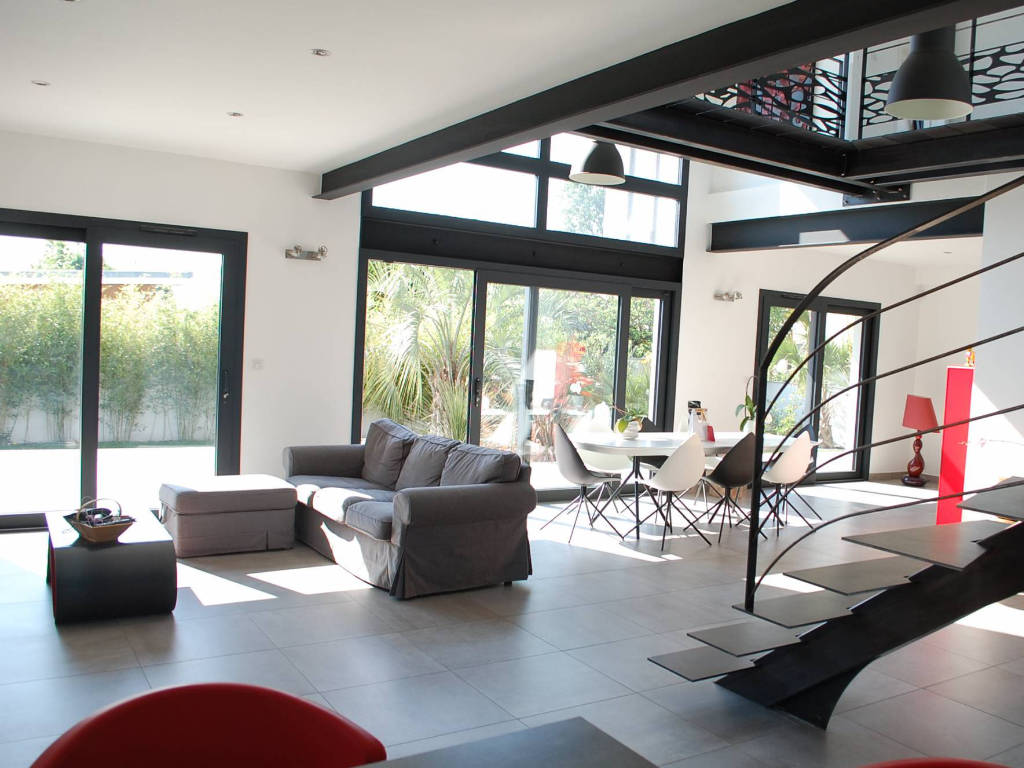
From most to least airtight, window operating types rank approximately as follows: fixed/picture windows (no gaps at all) > casement windows (compression seal on all four sides when closed) > awning windows > tilt-and-turn windows > single- and double-hung windows > sliding windows (which by design cannot achieve a compression seal).
If maximum airtightness is a priority — for example in a cold climate, a noise-sensitive application, or a high-performance building — casement and fixed windows are the preferred configurations. Sliding windows trade some airtightness for ease of operation and a lower profile.
Solar Orientation and Passive Design
Window placement is as important as window specification. South-facing glazing (in the northern hemisphere) receives the most direct winter sun and the least intense summer sun. Maximizing south-facing window area — ideally 60% or more of total glazed area — allows a home to capture significant free solar heat in winter while remaining manageable in summer with appropriate overhangs or exterior shading. North-facing windows receive no direct sun and represent a net energy deficit in most climates. West-facing windows are prone to low-angle afternoon solar heat gain in summer, often requiring solar control Low-E coatings or exterior shading to manage effectively.
Exterior shading elements — roof overhangs, awnings, pergolas, and deciduous trees — are highly effective summer cooling tools. A properly proportioned overhang can shade a south-facing window entirely in summer (when the sun is high) while allowing full solar penetration in winter (when the sun is low). These passive strategies work in concert with your window specification to reduce heating and cooling loads year-round.
ENERGY STAR Certification and Climate Zones
The U.S. Department of Energy (DOE) and the Environmental Protection Agency (EPA) have created the ENERGY STAR designation for products that meet specific energy performance criteria. Climate zones have different recommended performance levels for windows, doors, and skylights. There are four primary ENERGY STAR climate zones in the contiguous United States: Northern, North-Central, South-Central, and Southern, each with distinct U-factor and SHGC requirements reflecting the dominant heating or cooling load of that region.
ENERGY STAR certification is a meaningful, independently verified benchmark — but it represents a minimum threshold, not the ceiling of available performance. The ENERGY STAR Most Efficient designation recognizes the top-performing products in each climate zone and requires meeting more stringent U-factor and SHGC criteria.
Federal Tax Credits (2023–2032) For exterior windows and skylights purchased and installed between January 1, 2023, and December 31, 2032, homeowners can claim 30% of the product cost up to $600 total. These products must meet the ENERGY STAR Most Efficient criteria. For exterior doors, homeowners can claim 30% of the product cost up to $500 total under regular ENERGY STAR requirements. These are tax credits, not deductions — they reduce your tax bill dollar-for-dollar. Utility rebate programs may provide additional savings on top of the federal credit; MILLENNIUM® can assist you in identifying applicable incentives for your location.
When to Replace vs. Repair Existing Windows
A full window replacement is not always the right first step for older windows. It is warranted when the frame or sash is structurally damaged, when the insulating glass seal has failed (indicated by fogging between the panes), when there is significant air or water infiltration around the frame, or when the existing single-pane glazing creates unacceptable comfort or energy problems.
In cases where the frame is structurally sound, lower-cost interventions are worth considering first: replacing only the insulating glass unit within an existing frame, applying a low-E window film to existing glass, adding interior or exterior storm windows (which can meaningfully improve the thermal performance of an existing single-pane window), or improving the weatherstripping and perimeter sealing of the existing installation.
When a full replacement is necessary, proper installation is critical. A high-performing window installed with gaps, inadequate sealing, or incorrect flashing will underperform and may admit water infiltration that causes hidden structural damage over time. MILLENNIUM® provides professional installation by trained technicians who understand how window performance is delivered by the complete system — product, installation, and building envelope integration working together.
Understanding the NFRC Label
Every ENERGY STAR window carries an NFRC (National Fenestration Rating Council) label providing independently tested performance data. The key metrics to compare are:
U-Factor — Rate of heat transfer through the window. Lower is better. Single-pane: ~0.90–1.10. Quality double-pane Low-E with argon: 0.25–0.35. ENERGY STAR Most Efficient: as low as 0.17–0.20 in some climate zones.
Solar Heat Gain Coefficient (SHGC) — Fraction of solar heat that passes through the glass (0.00–1.00). The ideal value depends on your climate: higher SHGC for cold climates (more passive solar gain), lower SHGC for hot climates (less unwanted heat).
Visible Transmittance (VT) — Percentage of visible daylight that passes through. Higher values mean more natural light. Quality Low-E glass maintains VT of 0.40–0.70 while still controlling heat.
Air Leakage (AL) — The rate of air infiltration through the window assembly. Lower is better; values at or below 0.30 cfm/ft² are considered acceptable, with high-performance casement windows achieving significantly lower figures.
When comparing window quotes, always request the NFRC-certified U-factor and SHGC for the specific product being proposed — not a manufacturer’s marketing rating — and ensure the values are appropriate for your climate zone.
MILLENNIUM® Windows and Doors designs and builds custom energy efficient windows and doors to your exact specifications. Contact us to discuss your project, climate zone, and performance goals.
Phone: 918-582-5025