What Is a Fixed Window?
A fixed window — also called a picture window — is a window that does not open. Its sash is permanently sealed within the frame, creating a single uninterrupted glazed panel with no operating hardware, no hinges, no weatherstrip joints, and no movable parts of any kind. Because it serves no ventilation function, every element of its design is dedicated entirely to two things: admitting light and providing a view.
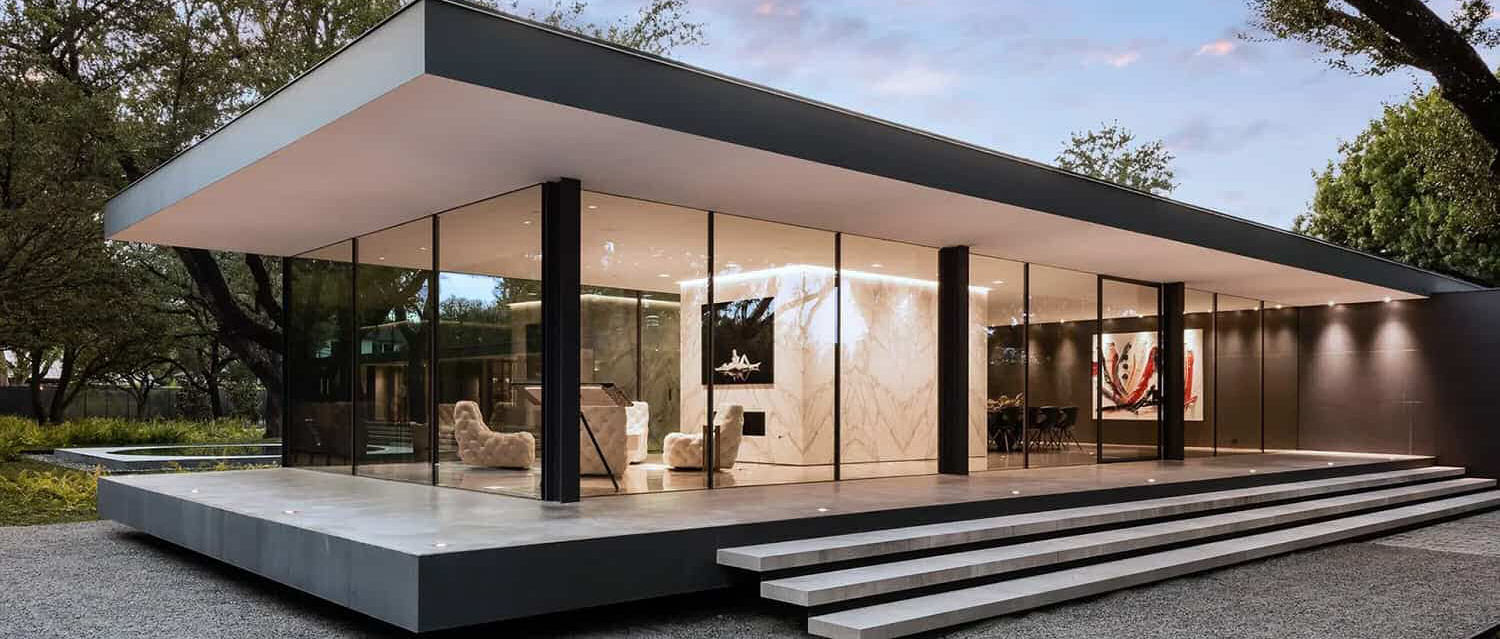
This apparent simplicity is, in practice, a profound design and performance advantage. The absence of operating hardware means the frame profile can be significantly slimmer than any operable window of equivalent size — there is no need to accommodate hinge barrels, locking gearboxes, or the structural depth required to support a moving sash. The result is a higher glass-to-frame ratio, a cleaner visual composition, and the best possible airtightness and thermal performance of any window type, since there are no movable joint gaps anywhere in the assembly.
Fixed windows are not a compromise or a lesser alternative to operable windows. They are the highest-performing window available and the correct specification for any opening where ventilation is not required.
Why Fixed Windows Outperform Every Operable Type
Every operable window — casement, hung, sliding, tilt and turn — must maintain clearance between its movable sash and the surrounding frame to allow operation. This clearance is bridged by weatherstripping that compresses when the sash is closed, creating a seal that is good but not perfect. Over time, weatherstrip compresses permanently, becomes brittle, or develops gaps — and air infiltration increases accordingly. The multi-point locking mechanisms of high-quality casement and tilt-and-turn windows draw the sash tightly against the weatherstrip to minimize this gap, which is why they outperform sliding and hung windows in airtightness. But even the best compression seal falls short of a completely sealed fixed unit.
A fixed window has no weatherstrip joint. The glass unit is bedded in glazing compound and structural glazing tape directly against the frame, creating a seal that is mechanically stable and does not degrade with use cycles. The result is the lowest possible air infiltration rate — approaching zero — and the highest possible thermal resistance through the window assembly. Where maximum energy efficiency is the objective, fixed windows are the correct specification.
What Fixed Windows Are Used For
The original premise — “a window that does not open, what then can it be used for?” — understates the enormous range of applications in which a fixed window is not merely acceptable but the optimal choice. In most well-designed homes, the majority of windows are fixed, with operable windows specified only where ventilation is specifically needed.
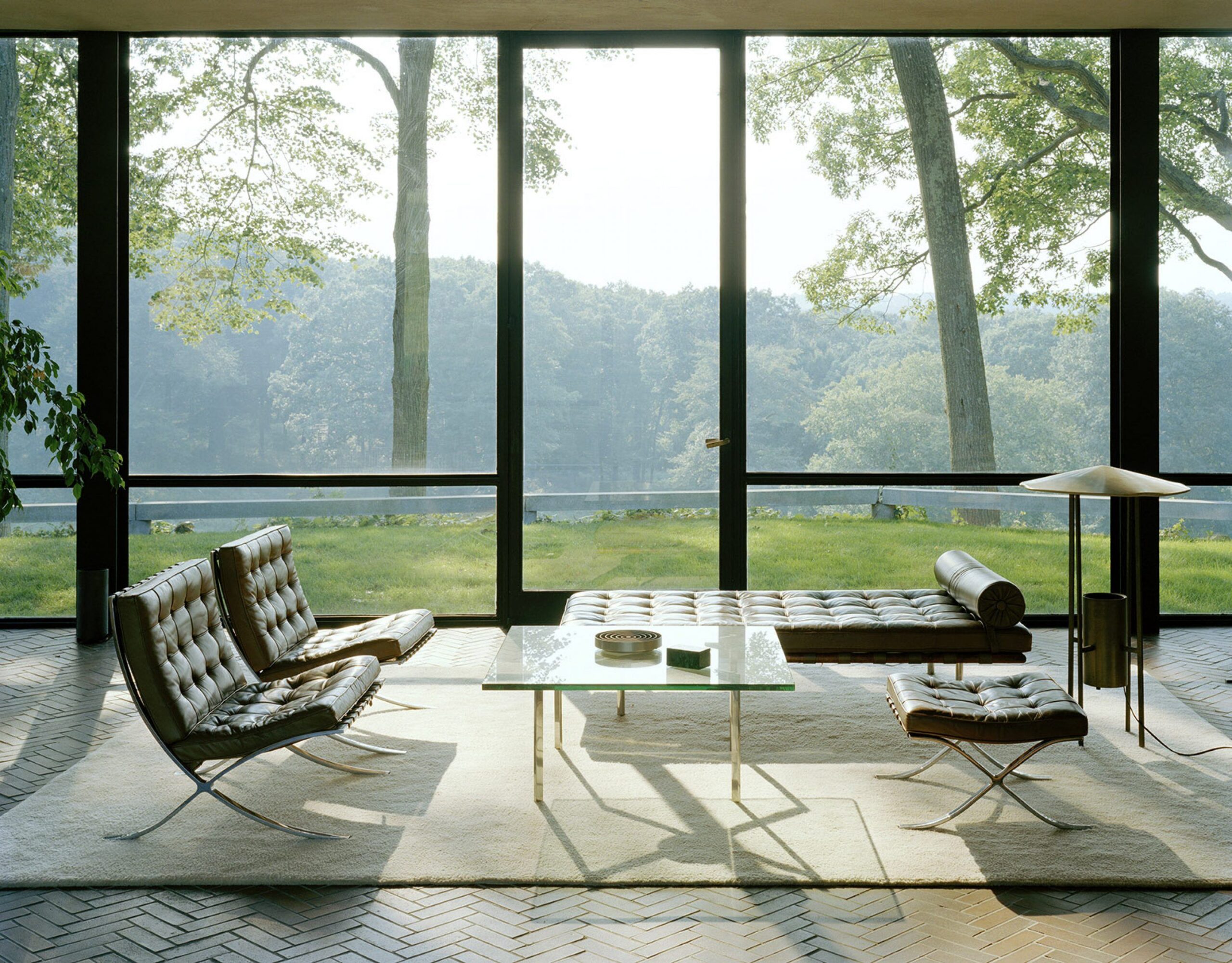
Large View Windows and Panoramic Openings The fixed window’s most dramatic application is the large-format picture window or panoramic glazed opening — a floor-to-ceiling or wall-to-ceiling expanse of glass that frames an exterior view with the clarity and unobstructed geometry that no operable window can match. A large casement or sliding window of equivalent size requires frames, mullions, and sash rails that divide and interrupt the view. A large fixed window is simply glass — as close to the experience of looking through an opening in the wall as modern construction technology can achieve.
For rooms with exceptional views — a wooded backyard, a garden, a waterfront, a cityscape — a well-proportioned fixed picture window is one of the most valuable design investments available. It costs less than an equivalent operable window of the same size, performs better thermally, and delivers a superior visual experience.
Rooms Where Ventilation Is Provided Another Way In any room served by mechanical ventilation — central HVAC, exhaust fans, energy recovery ventilators — the ventilation function of operable windows is redundant. Specifying fixed windows in these rooms delivers better thermal performance, lower cost, and a cleaner architectural composition without sacrificing indoor air quality.
Windows Above Operable Units Fixed transoms above doors, casements, or double-hung windows are among the most common applications of fixed glazing. The operable window below provides ventilation; the fixed transom above extends the glazed area, admits additional light at ceiling level, and creates a more generous, vertically proportioned composition without the added cost and complexity of a second operable unit.
High and Inaccessible Locations Windows positioned too high on the wall to reach comfortably — clerestory windows near the ceiling, windows above stair landings, windows in double-height spaces — are impractical as operable units because they cannot be opened, closed, or cleaned without ladders or special equipment. Fixed windows in these positions are simpler, more reliable, and less expensive, and their cleaning requirement is infrequent enough to manage with occasional exterior access.
Stairwells and Circulation Spaces Stairwells are among the most challenging spaces to daylight through vertical walls — the stair geometry means any window is adjacent to a moving traffic path. A fixed window at a landing, in a gable end above the stair, or in a clerestory position above the circulation path is an effective daylighting strategy that works regardless of the stair geometry and requires no clearance for an opening sash.
Specialty Shapes Fixed windows are the only practical option for non-rectangular shapes — circles, semicircles, triangles, trapezoids, and irregular polygons — where the geometry of the opening makes an operable sash mechanism impractical or impossible. Gable end triangles, porthole circles, and arched specialty shapes are almost always fixed. MILLENNIUM® fabricates fixed windows in any plan geometry to complement standard rectangular units in the same facade composition.
Structural Glass Walls At the most ambitious scale, a fixed glazed assembly replaces an entire wall surface — a full-height, full-width glazed facade element that blurs the boundary between interior and exterior. These structural glazing applications require engineered frame systems, specific glass specifications for load and deflection performance, and careful thermal detailing — but the fundamental product is a fixed window, and the architectural result is among the most powerful available in contemporary residential and commercial design.
Solar Orientation and Passive Design
Fixed windows used thoughtfully in relation to solar orientation are among the most effective passive solar design tools available. Unlike operable windows — which must balance ventilation needs with solar exposure — a fixed window can be sized and positioned purely on the basis of its thermal and daylighting contribution.
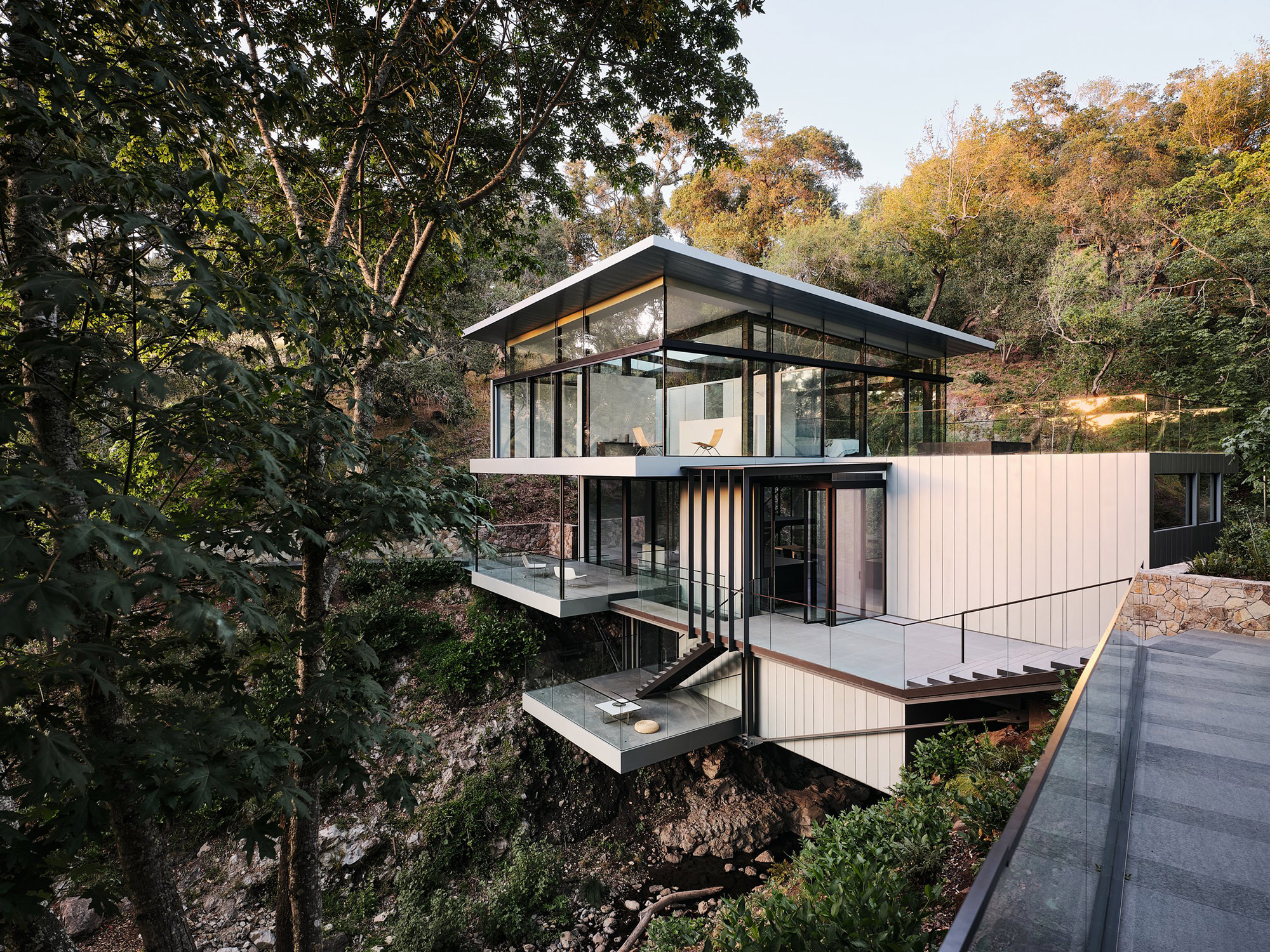
South-facing fixed windows are the primary solar gain aperture in a passive solar design strategy. In Oklahoma’s climate, south-facing glazing receives low-angle winter sun that penetrates deep into the room and warms the interior — free heating that reduces HVAC load. The same south-facing glass is shaded by a properly proportioned roof overhang or horizontal shade device in summer, when the sun is high and its angle steep. The result is a window that contributes heat when it is needed and rejects it when it is not, with no moving parts and no user action required.
North-facing fixed windows should be minimized in cold and mixed climates. They receive no direct sun at any time of year — only diffuse sky light — while representing a continuous heat loss pathway. When north-facing views or daylighting make them desirable, they should be specified with the lowest available U-factor and with the smallest area consistent with the daylighting objective.
East and west-facing fixed windows require careful solar control Low-E specification. East-facing glazing receives early morning sun at a low angle — generally welcome in bedrooms and kitchens. West-facing glazing receives late afternoon sun at a low angle in summer — intense, difficult to shade, and a significant cooling load. Solar control Low-E coatings with a low SHGC are the appropriate specification for west-facing fixed windows in any warm or mixed climate.
Fixed Windows in Combination with Operable Units
The most effective window design strategy in residential and commercial buildings uses fixed and operable windows in combination — fixed units where light, view, and thermal performance are the objectives; operable units where ventilation is specifically needed. This approach delivers better overall building performance than using operable windows throughout, at lower cost, because:
Fixed windows are less expensive to manufacture than operable windows of equivalent size and specification. They perform better thermally. They require less maintenance. And they allow the operable windows — casements, tilt-and-turns, double-hungs — to be precisely sized and positioned for their ventilation function rather than oversize to also serve as view windows.
Common and effective fixed-plus-operable combinations include: a large central fixed picture window flanked by narrower casement units on each side; a double-hung window with a fixed transom above; a floor-to-ceiling fixed glazed panel beside a sliding glass door; and a fixed specialty-shape unit positioned above or alongside a standard rectangular operable window.
Security
The original content noted that large fixed windows require laminated glass to resist forced entry — this is correct and important. A large single pane of standard annealed or even tempered glass, while strong against environmental loads, can be broken with a sharp impact and penetrated quickly. Laminated glass — two panes bonded with a PVB or ionoplast interlayer — resists penetration because the interlayer holds the glass fragments together even after breakage, requiring sustained and noisy forced effort to create an opening. This deterrent value is substantial: the time and noise required to breach laminated glass in a fixed window makes it a significantly less attractive target for opportunistic break-ins than an equivalent standard glass panel.
MILLENNIUM® specifies laminated glass as standard in all large fixed window applications and in any fixed window at or near grade level. For higher security requirements, thicker interlayers, multiple laminated layers, and combinations with tempered glass provide increasing levels of forced-entry resistance up to and including the ballistic-resistant specifications covered on the Bullet Resistant Glass Windows page.
MILLENNIUM® Fixed Window Specifications
Fixed windows are available across all three MILLENNIUM® frame series and in any plan geometry — rectangular, square, circular, semicircular, arched, triangular, trapezoidal, or fully custom.
A-Series — Thermally Broken Aluminum The preferred frame material for large fixed window applications due to aluminum’s exceptional strength-to-weight ratio and dimensional stability. Large fixed glazing panels are heavy — a double-pane unit measuring 4 feet by 6 feet weighs well over 100 pounds — and the frame must support this load across the full span of the opening without deflection. The A-Series thermally broken aluminum frame provides this structural performance while eliminating thermal bridging through the frame profile. Slimmer sight lines than wood frames of equivalent structural capacity, maximizing the glass area within the opening. Available in the full MILLENNIUM® powder coat color palette.
M-Series — Aluminum Exterior / Wood Interior Aluminum exterior cladding provides weather resistance and low maintenance on the outside; a natural wood interior surface provides warmth and design flexibility inside. The combination is particularly effective for large fixed windows in living rooms and bedrooms where the interior visual presence of the frame is an important design element.
W-Series — Solid Wood / Aluminum Exterior Cladding Solid wood frames provide the warmest interior aesthetic and the most naturally insulating frame material. Protected externally by aluminum cladding. Appropriate for traditional, craftsman, and period architectural styles where authentic wood craftsmanship is integral to the design intent, and where the fixed window size is within the structural capacity of the wood frame profiles.
Glass Specifications Double-pane Low-E insulating glass with argon gas fill, warm edge spacer bars, and butyl rubber perimeter seals as standard. Solar control Low-E on south- and west-facing applications; passive Low-E where solar gain is beneficial. Laminated glass on the interior pane or both panes as required by application, location, and code. Triple-pane glazing available as upgrade for maximum thermal performance. Ballistic-resistant glazing available for security applications.
Glazing Tape and Structural Bedding Fixed windows are glazed using a combination of structural glazing tape and perimeter silicone sealant that bonds the insulating glass unit to the frame without movable compression. This structural glazing method is more durable and maintains better long-term performance than the gasket-and-locking-bead systems used in operable windows, and it is standard practice for large-format fixed glazing.
Contact MILLENNIUM® Windows and Doors for a free consultation and appraisal. Fixed windows are among the most straightforward products we make, and among the most rewarding — the right fixed window in the right location transforms a room. Our team will help you identify every opportunity in your project where a fixed window outperforms an operable unit, and design a complete window composition that balances view, light, ventilation, and energy performance across the full building envelope.
Phone: 918-582-5025