One Panel. Every Architectural Character.
The hinged single glass door is the most common exterior entry door format and the most architecturally adaptable. One panel, hinged on one vertical side, swinging on a conventional axis — the familiar configuration that has defined residential entries for centuries. What distinguishes a MILLENNIUM® hinged single glass door from a standard entry door is not its operating format but its glazing ambition: the glass is not an accent or a decorative detail inserted into a solid panel. It is the primary design element, engineered to perform at the same standard as the rest of the building envelope.
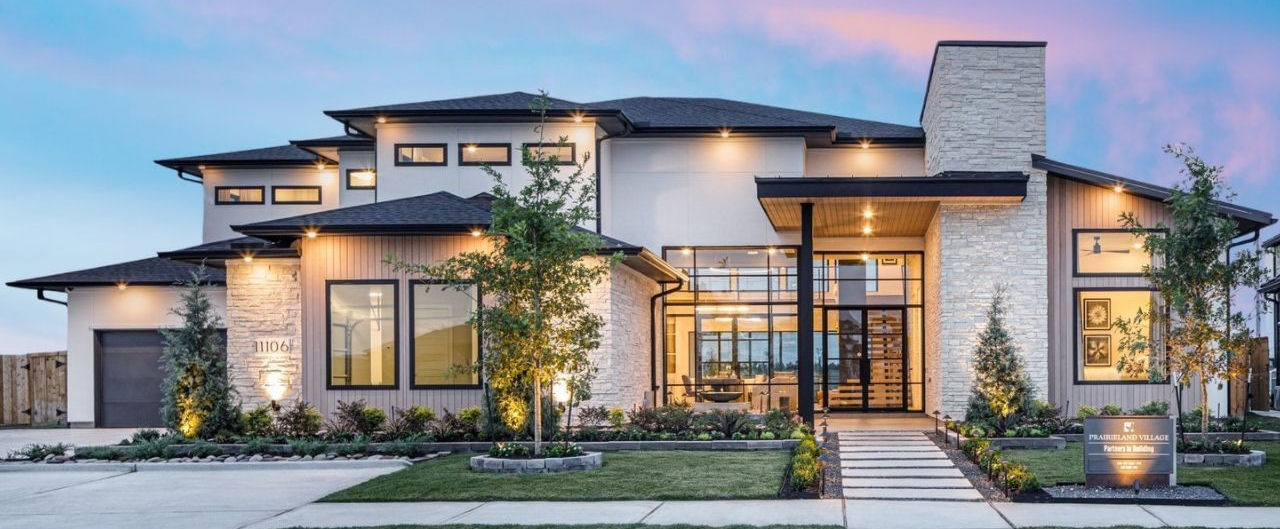
MILLENNIUM® hinged single glass doors are custom fabricated in the A-Series thermally broken aluminum frame and the M-Series aluminum-exterior / wood-interior frame, in any dimension up to the structural limits of the panel, with the full range of glazing configurations described below.
Fully Glazed Doors
A fully glazed door carries glass across its entire surface from the top rail to within a few inches of the bottom rail — the maximum possible glass area in a single door panel. The frame is visible only as a slim perimeter border and a narrow bottom rail; everything between is glass. This is the most contemporary and most minimalist configuration available, reducing the door to its essential function — a controlled opening in a wall — while maximizing the visual connection between inside and outside.
Fully glazed aluminum doors in dark frame colors — graphite, anthracite, matte black — are among the most architecturally powerful entry door statements available for contemporary residential facades. The dark frame reads as a precise graphic border around an expanse of glass, giving the entry a crisp, deliberate quality that is difficult to achieve by any other means at equivalent cost.
The structural requirement of a fully glazed door panel is worth understanding: the frame must carry the full panel load — glass weight, wind load, hardware forces — around the perimeter of a glazed area that provides no structural contribution. The frame profiles of a fully glazed door are therefore deeper and more structurally engineered than those of a semi-glazed door with a solid lower panel that contributes to panel rigidity. MILLENNIUM® A-Series fully glazed door frames are engineered to this structural requirement, with profile depths and corner connection details specified for the panel dimensions and glass weight of each custom unit.
Semi-Glazed Doors
A semi-glazed door combines a solid lower panel with glazing above. The proportion of glass to solid varies widely — from a narrow horizontal light set high in an otherwise solid panel, to a door that is three-quarters glass with only a modest solid section at the bottom. This range of proportions gives the semi-glazed door a flexibility that the fully glazed configuration does not have: it can be tuned for privacy, for thermal performance, for impact resistance, or for architectural character, by adjusting the height of the solid-to-glass transition.
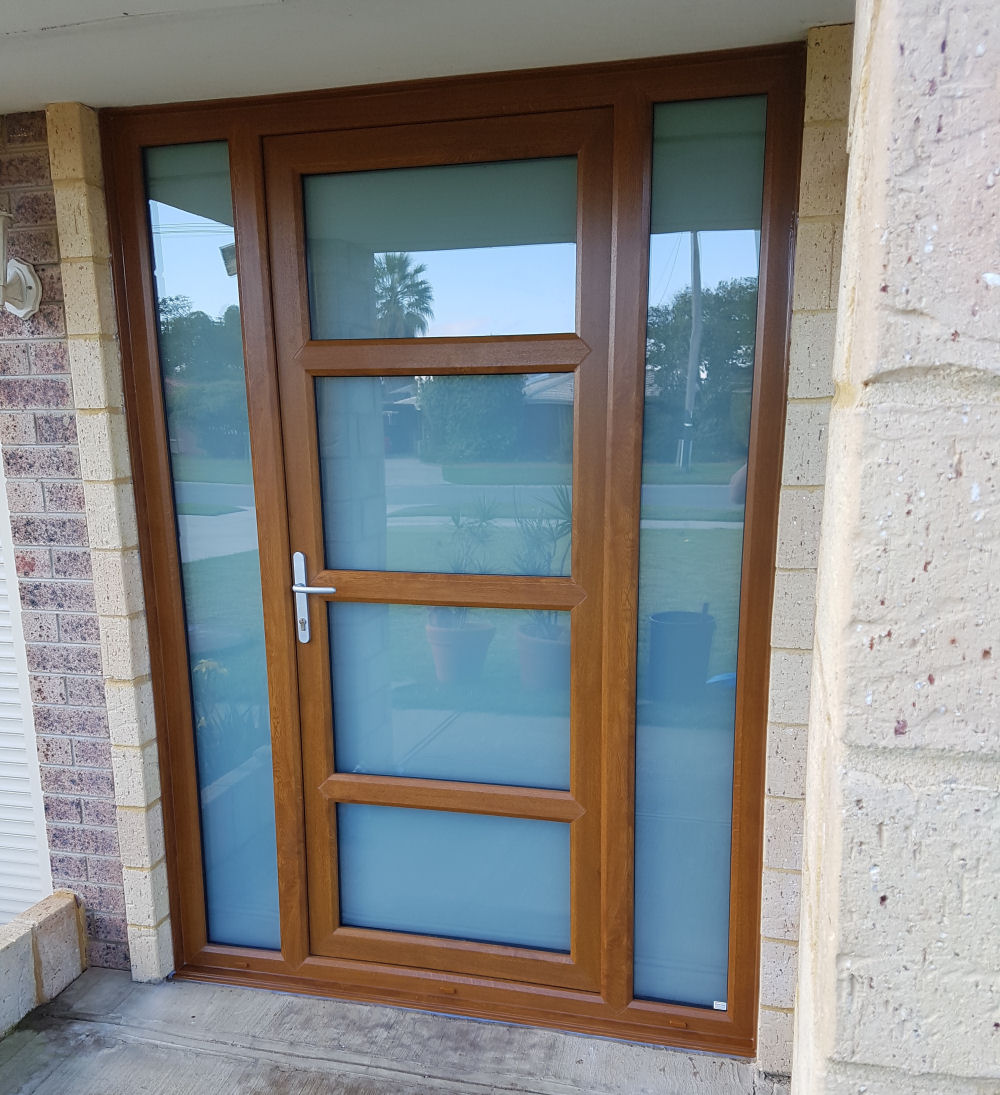
Why the solid lower panel matters:
Privacy — The solid lower panel eliminates the line of sight from the exterior at floor level, which is often the most privacy-sensitive zone of a glazed entry. A fully glazed door is transparent from the sidewalk to the floor; a semi-glazed door with a solid panel to waist height is private at occupant level while remaining transparent above.
Impact resistance — The lower portion of an exterior door is the most vulnerable to accidental impact — from bags, furniture, children, pets, and delivery equipment. A solid lower panel eliminates this exposure for the glazing. The glass, positioned above impact height, is significantly less likely to be damaged in normal use.
Thermal performance — A solid panel — whether aluminum-skinned with foam core, or solid wood — has a meaningfully lower U-factor than an equivalent area of insulating glass. A semi-glazed door with a substantial solid lower panel performs better thermally than a fully glazed door of the same overall dimensions.
Architectural compatibility — Not every facade suits a fully glazed door. Traditional, craftsman, colonial revival, and transitional architectural styles are better served by a door that reads as a panel with glazing rather than a glass wall with a frame border. The semi-glazed door bridges contemporary performance with traditional architectural form.
Glazing Configurations Within the Door Panel
Beyond the fully-glazed versus semi-glazed distinction, the glazing within the door panel itself can be configured in several ways that significantly affect the visual character of the door.
Single unbroken light — One continuous glass panel spanning the full glazed area of the door. The most contemporary and minimalist configuration. No internal divisions, no muntins, no pattern — simply glass within the frame. Most appropriate for fully glazed doors and for large semi-glazed upper panels in contemporary architectural styles.
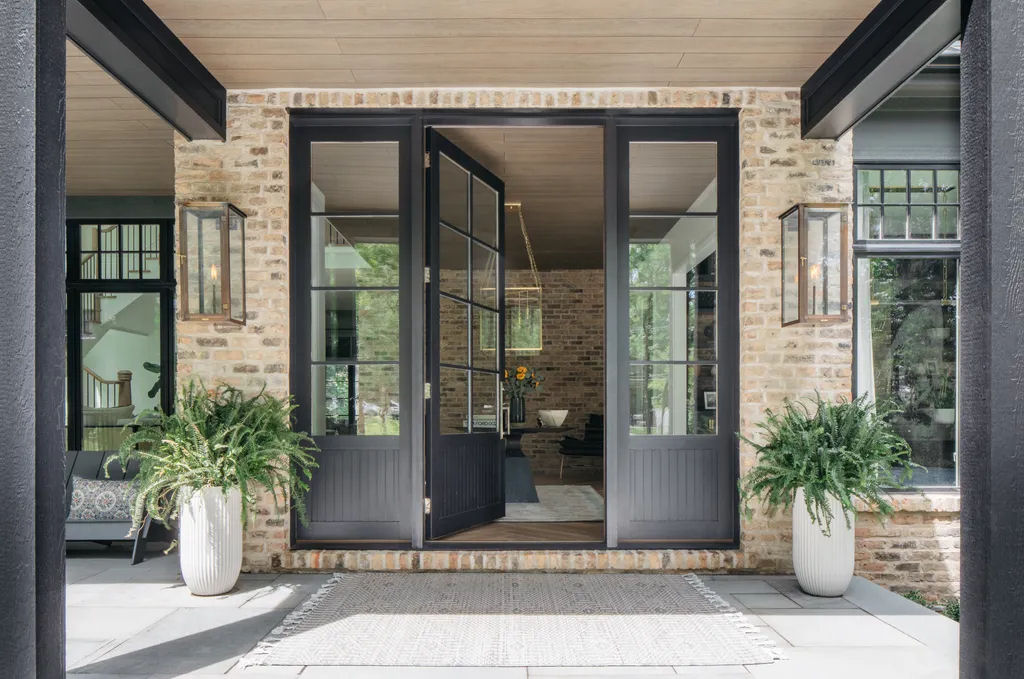
Divided lights — The glazed area divided by horizontal and/or vertical muntins into multiple smaller panes. Divided light configurations range from traditional colonial grids — rows of small rectangular panes — to contemporary asymmetric compositions with one or two bold horizontal divisions. Divided lights are appropriate for traditional, craftsman, and transitional architectural styles where the visual texture of a multi-pane door suits the facade character. MILLENNIUM® produces divided light configurations with both true divided lites — individual glass panes in individual frame divisions — and simulated divided lites with applied grilles over a single glass panel.
Geometric accent panels — Glazing configured as a geometric shape — rectangular, square, circular, arched, triangular, or custom — set within a larger solid panel. The glass is an accent element rather than the primary surface. Common in craftsman doors with a small square or rectangular window, in contemporary doors with a horizontal slot light, and in traditional doors with an arched upper light. The geometric accent panel configuration gives a semi-glazed door a distinctive visual identity that is immediately readable from the street.
Decorative and art glass — The glazing panel filled with etched, carved, frosted, leaded, beveled, or custom decorative glass rather than clear or Low-E glass. Decorative glass in an entry door is most effective when the design is legible from the approach distance — bold enough to read clearly from the sidewalk or driveway — while complementing the architectural character of the facade. Leaded glass compositions are most appropriate for Victorian, Arts and Crafts, and traditional architectural styles. Etched and geometric art glass compositions suit contemporary and transitional facades.
Entry Surround Compositions
The single hinged door becomes an entry surround when composed with fixed glazing elements on one or more sides. These compositions allow the door panel itself to remain a practical operating width — 36 inches is standard, 42 inches is generous — while the total glazed area of the entry is extended to architectural scale by the addition of fixed glass around the door.
Sidelights — Narrow fixed glazed panels flanking the door on one or both sides, within the same frame system. A door with full-height sidelights on both sides presents a glazed entry composition three times the width of the door panel alone, reads as a major architectural element from the street, and admits substantially more light into the entry hall than the door alone. Sidelights can be glazed to match the door — clear, frosted, or decorative — or specified differently to create a contrast between the transparent sidelights and a more private door panel.
Transom — A fixed glazed panel above the door, spanning the full width of the door and any sidelights. The transom extends the entry composition vertically, brings natural light into the entry hall at ceiling height, and gives the entry opening a taller, more generous proportion. Transom profiles range from simple rectangular panels to fanlight semicircles, elliptical arches, and Gothic profiles, each carrying specific architectural associations. A rectangular transom reads as contemporary or transitional; a fanlight reads as Federal or Colonial Revival; a Gothic arch suits Victorian or Tudor contexts.
Full surround — Door with sidelights on both sides and a transom above, all within a unified frame system. The full surround composition is one of the most architecturally complete and powerful entry configurations available for residential design. From the street, it reads as a large, formally composed glazed entry wall. From the interior, it floods the entry hall with natural light from three directions and creates an immediate sense of arrival and quality.
Security
Glass entry doors are sometimes perceived as a security vulnerability relative to solid panel doors. This perception is understandable but does not reflect the actual security performance of a properly specified glazed entry door.
Glazing — All MILLENNIUM® exterior door glass is laminated safety glass at minimum. The PVB or ionoplast interlayer bonding the two glass panes holds fragments together after impact — the door does not shatter and does not create an immediate accessible opening when struck. Penetrating laminated glass requires sustained, loud, and time-consuming forced effort with a tool, far exceeding the few seconds required to break standard glass. Opportunistic forced entry through laminated glazing is significantly deterred because the time and noise required eliminate the advantage of surprise. For higher security requirements, thicker interlayers, multiple laminated layers, and combinations with heat-strengthened or tempered outer panes provide increasing forced-entry resistance up to and including ballistic-resistant performance levels.
Hardware — MILLENNIUM® exterior doors use multi-point locking systems that simultaneously engage locking points at the head, sill, and one or more intermediate points along the door stile when the handle is turned. A single-point lock — the standard in most residential entry doors — applies resistance only at one bolt location; the rest of the door stile and frame is unresisted. A multi-point lock distributes the resistance across the full height of the door, making forced entry by levering or kicking the door panel far more difficult. The locking points engage machined keeps in the reinforced frame — not simply the door jamb casing — ensuring that the mechanical connection is as strong as the hardware itself.
Frame reinforcement — The door frame at the hinge side and latch side carries the structural loads of both normal operation and forced entry attempts. MILLENNIUM® door frames are engineered with appropriate wall thickness, corner connection strength, and anchor detail to resist the prying and impact forces associated with forced entry attempts.
Frame Series and Finishes
A-Series — Thermally Broken Aluminum The standard specification for contemporary glass entry doors. Slim profiles, precision fabrication, and the full MILLENNIUM® powder coat color palette. Dual-tone finish — one color on the exterior face, a different color on the interior face — is standard capability in the A-Series, allowing the exterior architectural expression to differ from the interior design context. Common combinations: graphite or anthracite exterior with a warm interior; black exterior with white interior; bronze exterior with natural wood-tone interior foil finish.
M-Series — Aluminum Exterior / Wood Interior Aluminum exterior cladding with solid wood interior. The aluminum exterior handles the weather exposure, UV, and mechanical demands of an exterior door without maintenance. The wood interior provides warmth, craftsmanship, and design presence in the entry hall. Available in the full aluminum powder coat palette for the exterior and a range of timber species and finishes for the interior.
Glazing Specifications
Standard — Double-pane Low-E insulating glass with argon gas fill, warm edge spacer bars, and butyl rubber perimeter seals. Laminated safety glass on the interior pane. Solar control or passive Low-E coating selected by door orientation.
Privacy glass — Frosted, sandblasted, or patterned glass in any opacity level. Sandblasted glass is produced by directing fine abrasive particles at the glass surface, creating a uniformly matte texture that scatters transmitted light while admitting it. The degree of obscuration is specified by sandblast intensity — light sandblasting produces a translucent effect that reveals silhouettes; heavy sandblasting approaches opacity while remaining light-transmitting. Patterned glass offers similar privacy with added decorative character.
Triple-pane — Available as upgrade for maximum thermal performance, particularly appropriate for north-facing entry doors in cold climates.
Ballistic-resistant — Available for the highest security applications. See the Bullet Resistant Glass page for full UL 752 level specifications.
Decorative and art glass — Leaded, beveled, etched, and custom designed glass panels available for any configuration within the door or surround composition.
Contact MILLENNIUM® Windows and Doors for a free consultation and appraisal. Our team will work through your entry composition — door configuration, surround elements, glazing specification, frame series, finish, and hardware — and produce a complete custom specification for your project.
Phone: 918-582-5025