Single Hung vs. Double Hung: Understanding the Difference
One of the most common questions we hear at MILLENNIUM® is: what is the actual difference between single hung and double hung windows, and which one should I choose? The answer depends on where the window will be installed, how it will be used, and what your priorities are across cost, ventilation, cleaning, and energy efficiency. This page explains single hung windows in detail, compares them honestly to double hung windows, and helps you make an informed decision.

What Is a Single Hung Window?
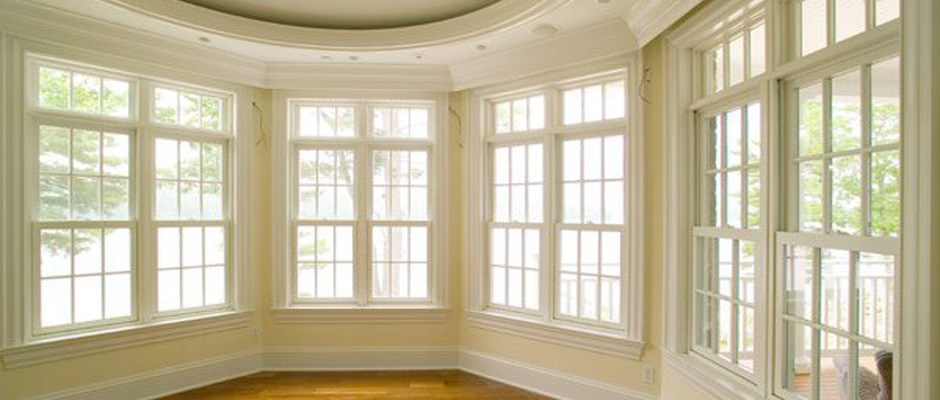
A single hung window consists of two sashes — the glazed panels within the window frame — stacked vertically. In a single hung window, the upper sash is fixed and cannot move, while the lower sash slides up and down to open and close the window. The fixed upper sash provides structural stability and a clean, symmetrical appearance, while the operable lower sash provides ventilation.
Single hung windows have been in use since at least the 17th century and remain one of the most widely installed window types in residential and commercial construction today. Their long history and widespread use mean single hung windows are closely associated with historic and traditional architectural styles BKV Energy, including craftsman, colonial revival, and historic renovation applications. They are also a standard specification in apartments, offices, and multi-unit residential buildings where simplicity, low cost, and ease of installation are priorities.
How Single Hung Windows Compare to Double Hung
Double hung windows feature two independently operable sashes — both the lower and upper sash can slide up and down, and in most modern double hung windows, both sashes tilt inward for cleaning. Here is how the two types compare across the factors that matter most:
Ventilation Single hung windows ventilate through the lower sash only. This provides adequate airflow for most ground-floor applications. Double hung windows offer a meaningful ventilation advantage: opening the top sash allows warm rising air to escape while opening the bottom sash simultaneously brings in cooler air from outside, creating efficient natural circulation. Department of Energy This stack-effect ventilation makes double hung windows the stronger choice for kitchens, bathrooms, upper floors, and any application where air quality and circulation are priorities.
Cleaning Because the upper sash of a single hung window is fixed, cleaning the exterior glass of the top sash requires going outside — and potentially using a ladder on upper floors. The Emory Wheel The lower sash on many modern single hung windows includes a tilt-latch mechanism allowing the sash to tilt inward for interior cleaning of the exterior glass surface. Double hung windows are the clear winner for cleaning, as their tilt-in sashes allow both interior and exterior glass surfaces to be cleaned safely from inside the home — a major advantage on upper floors or hard-to-reach locations.
Energy Efficiency Single hung windows offer a slight edge in energy efficiency due to their fewer moving parts. With only one operable sash, there is one less perimeter seal that can degrade over time and admit air infiltration. The practical difference between a well-built single hung and a well-built double hung window is modest, however — the quality of the weatherstripping, frame material, glazing specification, and installation have a far greater impact on real-world performance than the number of operable sashes. Specifying double or triple-pane glass with Low-E coating and argon fill in either window type will deliver meaningful energy savings regardless of configuration.
Cost Single hung windows typically cost 10–20% less than double hung windows of equivalent size and material. Single hung windows generally range from $150 to $400 per window, while double hung windows typically start around $250 and can reach $800, depending on size, material, and glazing specification. For projects requiring a large number of windows, this cost difference adds up quickly.
Child Safety Double hung windows offer a child safety advantage — the bottom sash can be locked in place while the upper sash is opened for ventilation, preventing children from climbing out through the lower opening. Single hung windows, with the lower sash as the only operable panel, require a window stop or separate child safety device to achieve the same protection.
Security The fixed upper sash of a single hung window represents one fewer potential entry point compared to a double hung window, where both sashes must be secured. Double hung windows require both sashes to be properly latched to maintain security. The Emory Wheel
Where Single Hung Windows Work Best
Single hung windows are well suited for:
Ground floor rooms where the exterior glass of the upper sash is easy to clean from outside and where the simpler operation of one sash is sufficient.
Apartments and offices where building management prefers a straightforward, low-maintenance window with fewer mechanical components.
Historic and traditional homes where the single hung sash window style is architecturally authentic.
Budget-sensitive projects where the cost savings of single hung vs. double hung across a large number of openings is a meaningful factor.
Hard-to-reach locations such as over a kitchen sink, where a single operable sash at the bottom is easier and safer to operate than a dual-sash window.
Double hung windows are generally the stronger choice for upper floors, rooms requiring enhanced ventilation, and anywhere that cleaning from inside is a priority.
Frame Materials
MILLENNIUM® single hung windows are available in all three of our window series:
A-Series — Thermally Broken Aluminum An all-aluminum frame with an insulating polyamide thermal break separating the interior and exterior aluminum profiles. Extremely durable, low maintenance, and ideal for contemporary architectural styles and commercial applications. Aluminum frames require no painting or staining and are highly resistant to warping, rot, and corrosion.
M-Series — Aluminum Exterior with Wood Interior An aluminum exterior shell protects against weather and UV exposure while a wood interior surface provides warmth and visual richness. Combines minimal exterior maintenance with a natural wood aesthetic inside.
W-Series — Solid Wood with Aluminum Cladding A genuine solid wood frame — the best-performing frame material for natural thermal insulation and life-cycle environmental impact — protected by an aluminum exterior cladding. The choice for homeowners who want authentic wood craftsmanship with significantly reduced maintenance demands.
Each series is available with full custom sizing, hardware finishes, glazing specifications, and interior and exterior color or finish options.
MILLENNIUM PREMIUM® Glass Specifications
Every MILLENNIUM® single hung window is available with our full glazing specification package:
Double Pane Low-E Insulating Glass Unit — Two panes of glass separated by a warm edge spacer bar and sealed insulating gas cavity. Low-E coating reduces heat transfer through the glass by 30–50% compared to uncoated single-pane glass, while maintaining high visible light transmittance.
Argon Gas Fill — Standard in all double pane configurations. Argon is six times denser than air, slowing convective heat transfer within the cavity and improving the window’s U-factor by 10–15% compared to an air-filled unit.
Triple-Strength Tempered Glass — Available as a glazing upgrade. Tempered glass is approximately four times stronger than standard annealed glass and, if broken, fractures into small blunt fragments rather than large sharp shards, significantly reducing injury risk.
UV Protection — Low-E coatings and laminated glass options provide meaningful UV filtration, protecting interior furnishings, flooring, and artwork from solar-induced fading.
Non-Glare Options — Anti-reflective glass treatments are available for applications where glare reduction is a priority, such as offices, showrooms, and west-facing exposures.
Ballistic-Resistant Glazing — Available as an upgrade for residential and commercial security applications. See our [Bullet Resistant Glass Windows page] for full specifications and UL 752 protection level details.
Butyl Rubber Seal — The perimeter seal of the insulating glass unit uses butyl rubber, which provides excellent long-term resistance to moisture infiltration and maintains the integrity of the sealed gas cavity over the life of the window.
Multi-Point Locking System — Standard hardware includes a multi-point locking mechanism that engages at multiple points along the sash perimeter, providing superior security and compression against the weatherstrip compared to a single-point latch.
Wear-Resistant Hardware — All operating hardware — sash lifts, locks, and balance mechanisms — is specified for long-term durability and smooth operation through repeated use cycles.
A Note on Professional Installation
A high-performing window delivers its rated energy performance only when correctly installed. The perimeter seal between the window frame and the rough opening, the flashing integration with the wall assembly, and the alignment and leveling of the frame all directly affect air infiltration, water resistance, and long-term durability. An improperly installed window — regardless of its glazing specification — will underperform, admit drafts, and may allow water infiltration that causes concealed structural damage over time. MILLENNIUM® provides professional installation by experienced technicians trained to deliver the full performance of every window we supply.
Contact MILLENNIUM® Windows and Doors for a free consultation and appraisal. We will walk you through every available option — material series, glazing specification, hardware, and configuration — so you can make the best choice for your home or project.
Phone: 918-582-5025